Cynefin-ALN

At Islwyn High School we offer an inclusive and welcoming environment with regard to Additional Learning Needs (ALN). We are a traditiontal secondary school with a range of abilities and learning needs. These are met in mainstream classrooms with subject teachers delivering the curriculum. All students benefit from our holistic pastoral team system, where support is given by the form tutor and by the pastoral team in each year group alongside the Cynefin Team who specialise with Additional Learning Needs.
Pupils are given equal access to all aspects of school. There are two nurture classes within each year group at Key Stage 3 which provides a reduced teacher/ pupil ratio. Pupils are allocated to these groups based on both academic and social needs. Pupils are allocated to these groups through discussion with primary school through transition and through evaluation of academic progress. The nurture classes work in the same way as all other classes throughout Key Stage 3 to allow pupils to make progress through this support and move into mainstream if this is deemed suitable.
At Key Stage 4, ALN pupils have access to the same options as all pupils along with the option of some specific vocational pathways. All pupils are encouraged to take options suitable to their ability level and a range of options at different levels are offered. ALN pupils will, in compulsory subjects, be placed in sets and teaching groups in line with their academic ability.
The school has a team of Learning Support Assistants (LSA’s) who are involved in providing support in classes at a class based level and not allocated as a one to one. There are also a range of interventions that are run to support overcoming barriers to learning. These interventions will be tailored to meet the specific needs of pupils but will include literacy and numeracy interventions as well as a range of interventions to meet other needs, such as developing greater emotional literacy, social skills, and Communication skills.
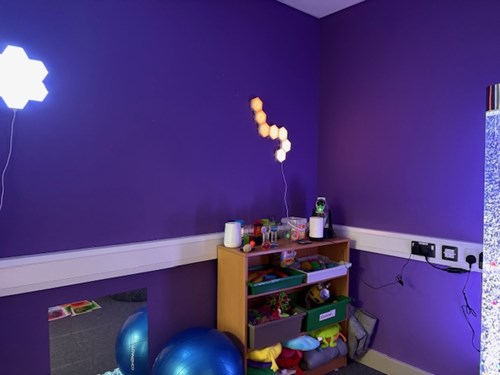
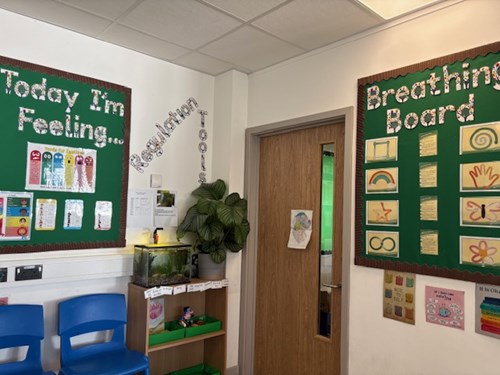
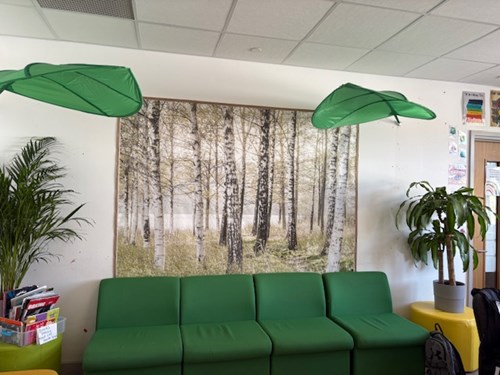
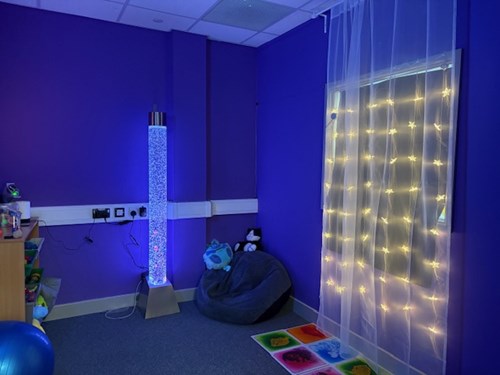
Our Cynefin is ………
If you have any concerns about your child possibly having Additional Learning Needs, please don’t hesitate to get in touch with Mrs Nicola Strachan, ALNCo.
Additional Learning Needs Reform in Wales - Information for parents and carers.
A New ALN Bill and Code of Practice came into effect from September 2020. At Islwyn High School, we have implemented the changes in a number of ways but ultimately the pupil is at the heart of everything we do. We also recognise and value the importance of parents as stakeholders in their children's education.
Additional Learning Needs – An animation explaining the new system for parents and young people
The ALN system operates on 5 key principles
1. Rights based approach
Where the wishes and feelings of children, young people and their parents are central and that they are actively involved in the planning and decision-making process.
2. Collaboration and integration
Where services work together to ensure the right support is in place to help children and young people succeed.
3. Inclusive Education
Where most children and young people with ALN can be supported to participate fully in mainstream schools and colleges with the whole school working together to meet their needs.
4. Early identification, intervention and prevention
Where needs are identified early and support is put in place as soon as possible.
5. Bilingual system
Where reasonable steps are made to provide additional learning provision in Welsh for children and young people who need it.
Supporting difficulties in learning
Everyone develops and learns in their own way and at their own pace. Many children and young people are likely to struggle with learning at times during their learning journey. This may be because they’ve missed school due to illness, or they’re coping with something like a bereavement or trauma. In these situations schools may provide extra support to help them keep up with their learning and get back on track.
These situations don’t necessarily mean a child or young person has ALN. However, they are important indicators and times when children or young people may need extra support and knowing what to do if difficulties persist.
Some children and young people may not have a learning difficulty, but they may need extra support to help them reach their potential. This should be provided as part of differentiated teaching, which means adapting lessons to suit different learning styles and needs. This could involve using a variety of teaching methods, materials or levels of support to help every child and young person understand and make progress.
Children and young people may experience difficulties in learning as a result of a disability, long-term medical condition, or a more significant or complex learning need. These may not always be immediately visible but can have a lasting impact on how a child or a young person accesses education.
It’s important to recognise that learning difficulties can vary widely in cause, complexity and duration and the right support should reflect this.
You do not need a medical diagnosis for your child to be identified as having ALN. Decisions about the support they may need are based on significance of need, not a medical assessment.
There is a wide range of learning difficulties or disabilities, but they can be broadly classified into the following 4 areas:
- Communication and interaction
- Behaviour, emotional and social development
- Sensory and (or) physical needs
- Cognition and learning
One Page Profiles (1PP)
Relationships and getting to know our learners is fundamental in supporting pupils in their learning. Learners being monitored or on the ALN register will have a One Page Profile which unpicks the barrier to learning. These will be reviewed through the year and will be shared with parents to invite comments that can be added to the One Page Profile which is shared with teaching staff.
Person Centred Planning (PCP)
Person Centred Planning Meetings tend to be held to unpick barriers to learning and challenges within school. We hold these with pupils and parents along with any professionals that are involved with the pupils.
Individual Development Plans (IDP)
Some children will be supported through an Individual Development Plan, known as an IDP. IDPs are legal documents and are in place for learners who need substantially more support than children of the same age.
Welsh Government Toolkit for Parents
Toolkit For parents and carers of children with additional learning needs
Welsh Government advice for Parents
Additional learning needs: guidance for parents and carers | GOV.WALES
Understanding the ALN system in Wales
Video for Understanding the ALN system in Wales